Supporting Survivors of Sexual Violence and Abuse Conference 2026
CCE1 - City Campus East 1
-

The DDN was established in 2004 following the launch of Northumbria’s unique postgraduate programme in the same field in 2000. It takes an interdisciplinary approach, interlinking development innovations with those of disaster reduction using science, capacity and policy work. Its network is extensive: affiliated staff have conducted research in Newcastle and in 22 countries on four continents.
The research has, in particular, helped to initiate a wide range of life-saving policies and strategies in Africa and South Asia. For example, in Zimbabwe, the DDN, with local partners, set up the first disaster and development university programme and community advocacy groups that protect ways of life and main sources of food. In Mozambique, the formation of risk committees made up of officials and local residents in Beira City helped to reduce cases of diarrhoea from several thousand to less than 50 in one year. This approach was based on findings from integrated micro-ecological, sociological and spatial analytical research initially carried out in both Bangladesh and Mozambique. It showed that community self-organisation and improving local management was crucial in reducing risks to health. Community-based disaster resilience has now been experimented with and adopted by many organisations working in South Asia and Southern Africa, and more widely.
Teaching and learning is one of the main methods through which findings from the research are directly passed on to build the skills and knowledge needed by local communities and institutions to better manage risk. In addition to being integrated with the Northumbria based postgraduate programme, the DDN research has directly guided other similar developments around the world; for example, Pakistan’s first disaster and development-focused centre at Peshwar University. Supported by the Government of Pakistan, this now works with local communities in the Swat Valley to understand disaster risk in an area prone to earthquakes and other environmental hazards and subject to political conflict.
The DDN contributes to global disaster management policy development for the Red Cross and UN organisations. It received formal acknowledgement of its significant influence from both the present and previous Heads of the United Nations international strategies for global disaster reduction, a sentiment also supported by other global and UK institutions working in this field.
Additional Information
Disaster Development Network (DDN)
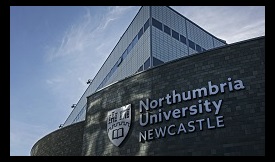
CCE1 - City Campus East 1
-
