-
Study
-
Quick Links
- Open Days & Events
- Fixed Block Degrees
- Real-World Learning
- Unlock Your Potential
- Tuition Fees, Funding & Scholarships
- Still Time to Apply
-
Undergraduate
- Application Guides
- UCAS Exhibitions
- Extended Degrees
- School & College Outreach
- Parents & Guardians
-
Postgraduate
- Application Guide
- Postgraduate Research Degrees
- Flexible Learning
- Change Direction
- Register your Interest
-
Student Life
- Students' Union
- The Hub - Student Blog
- Accommodation
- Northumbria Sport
- Support for Students
-
Learning Experience
- Real-World Learning
- Research-enriched learning
- Graduate Futures
- The Business Clinic
- Study Abroad
-
-
International
International
Ideally situated in the 5th best student city in the UK (QS Best Student Cities 2026), Northumbria University is a UK Top 40 University (Complete University Guide 2026) with a diverse community of 34,500 students from over 140 countries.
Discover more-
International Students
- Information for International Students
- Northumbria and your Country
- International Student Events
- International Application Guide
- Entry Requirements and Education Country Agents
- Global Offices and Regional Teams
- English Requirements
- English Language Centre
- International student support
- Cost of Living
-
International Fees and Funding
- International Undergraduate Fees
- International Undergraduate Funding
- International Masters Fees
- International Masters Funding
- International Postgraduate Research Fees
- International Postgraduate Research Funding
- Useful Financial Information
-
International Partners
- Agent and Representatives Network
- Global Partnerships
- Global Community
-
International Mobility
- Study Abroad
- Information for Incoming Exchange Students
-
-
Business
Business
Northumbria University is proud to offer a range of Professional, Statutory and Regulatory Body (PSRB) approved & accredited courses and programmes. Explore our list of courses and programmes under our Education and Training page.
Discover more-
Business Quick Links
- Contact Us
- Business Events
- Research and Consultancy
- Education and Training
- Workforce Development Courses
- Join our mailing list
-
-
Research
Research
Northumbria is a research-rich, business-focused, professional university with a global reputation for academic quality. We conduct ground-breaking research that is responsive to the science & technology, health & well being, economic and social and arts & cultural needs for the communities
Discover more-
Quick Links
- Research Peaks of Excellence
- Academic Departments
- Research Staff
- Postgraduate Research Studentships
- Research Events
-
Research at Northumbria
- Interdisciplinary Research Themes
- Research Impact
- REF
- Partners and Collaborators
-
Support for Researchers
- Research and Innovation Services Staff
- Researcher Development and Training
- Ethics, Integrity, and Trusted Research
- University Library
- Vice Chancellors Fellows
-
Research Degrees
- Postgraduate Research Overview
- Doctoral Training Partnerships and Centres
- Academic Departments
-
Research Culture
- Research Culture
- Research Culture Action Plan
- Concordats and Commitments
-
-
About Us
-
About Northumbria
- Our Strategy
- Our Staff
- Our Schools
- Place and Partnerships
- Leadership & Governance
- University Services
- Northumbria History
- Contact us
- Online Shop
-
-
Alumni
Alumni
Northumbria University is renowned for the calibre of its business-ready graduates. Our alumni network has over 253,000 graduates based in 178 countries worldwide in a range of sectors, our alumni are making a real impact on the world.
Discover more - Work For Us
Cognition & Communication Research Centre
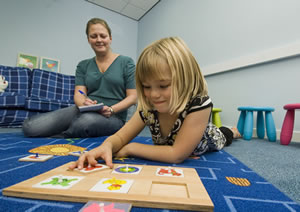
This group of researchers carry out research into human cognition and communication. They aim to understand how people - from children to older members of society - communicate and interact with one another in real and virtual worlds.
One key focus is how cognition and communication change across the lifespan in both typical and atypical development. Work ranges from investigations of children's understanding of object ownership, interventions for hearing impairment, eye gaze correlates of cognition in autism and Williams syndrome, to the impact of ageing on cognition.
Other academics focus on language. This work includes behavioural and neural correlates of language comprehension and production as well as embodied cognition and language. For example, using a range of neural imaging techniques including fMRI, MEG and TMS, some of these researchers investigate the neural basis of reading.
Researchers in this group also investigate the impact that perceptual events can have on cognitive processes such as creativity and memory. Behavioural, cognitive and neural imaging techniques (such as fMRI and EEG) are used.
Research within the Psychology and Communication Technology Laboratory (PACT Lab) looks at ways in which new communications, media and technology affect people's choices and behaviours with a particular focus on users' perceptions of trust, privacy and security.
Case Studies:
Northumbria researchers advise government on breakfast clubs
Paving the way for peer-to-peer health advice
Psychology, Psychiatry and Neuroscience